Bridge Marina, Tauranga, North Island
Thursday 3 June 2021
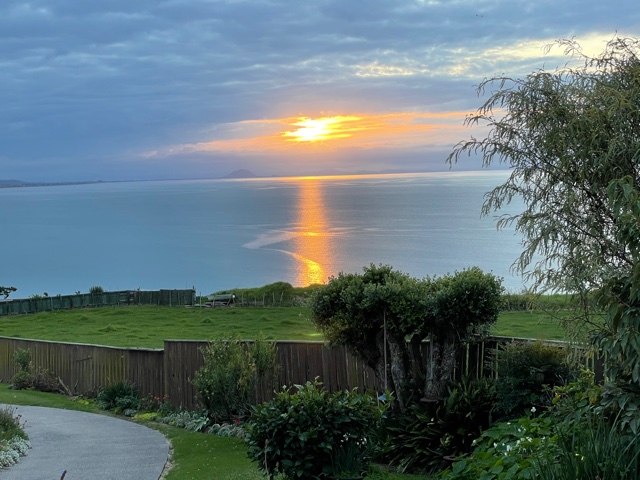
If the idyllic, mythical Hobbiton, (from Lord of the Rings fame) is located just a short drive south of here – near the town of Matamata – then Maketu, just a short drive east of here, must surely be the idyllic REAL-LIFE equivalent; only with a sea view.
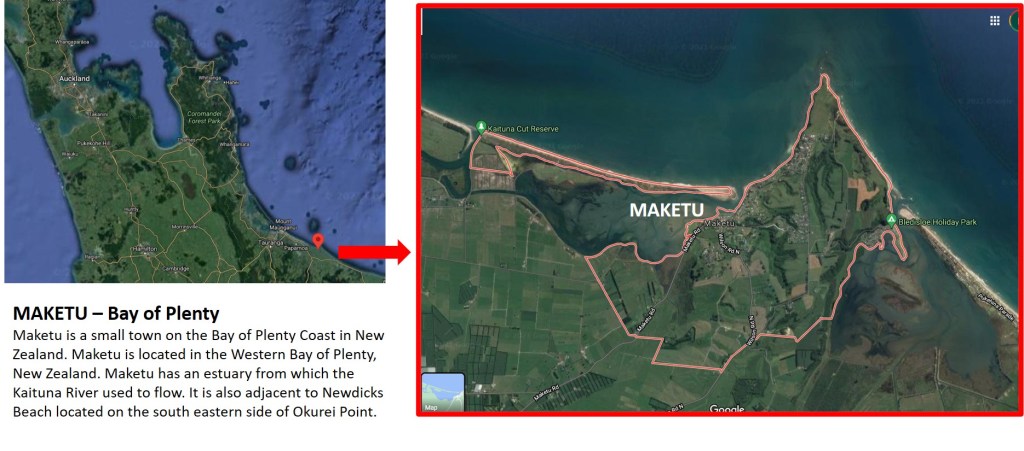
Having just returned from a lovely dinner in the hamlet of Maketu, (with hosts and lender of a certain car), David and Susan Campbell, I’m here to report that this seemingly forgotten little corner of New Zealand really does appear to be a slice of paradise. I feel bad even telling you this, for fear it might unleash an unhealthy flood of developers, speculators and gawkers, but it really is worth a visit. So long as you drive away again, and don’t spoil it for the locals.
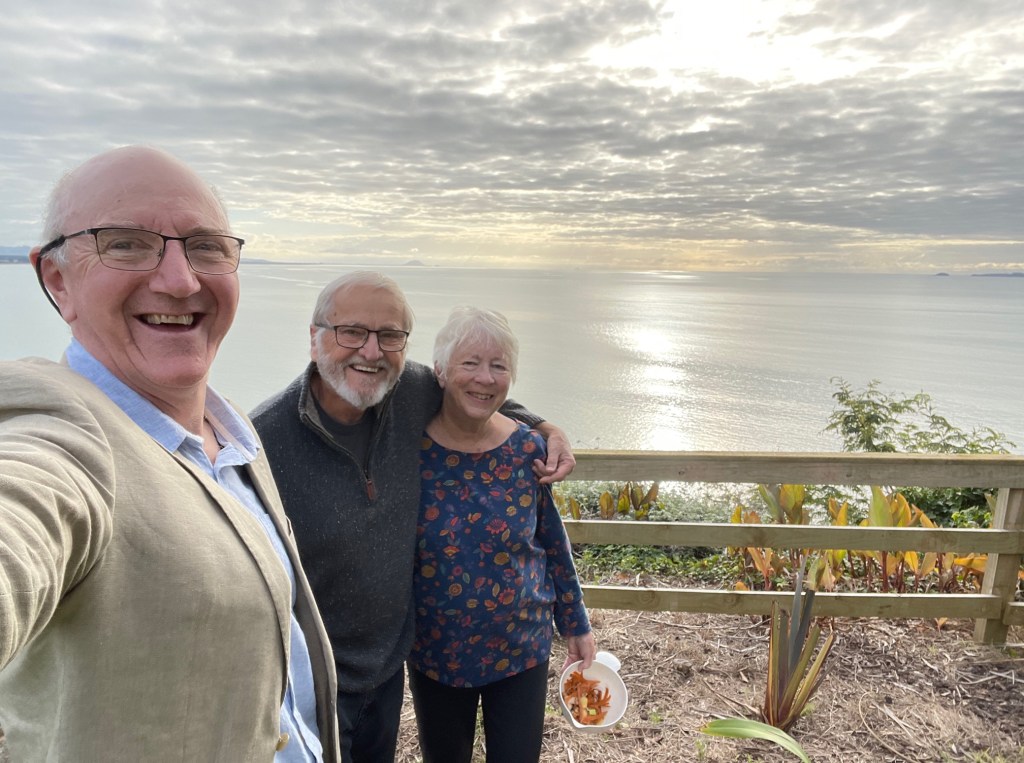
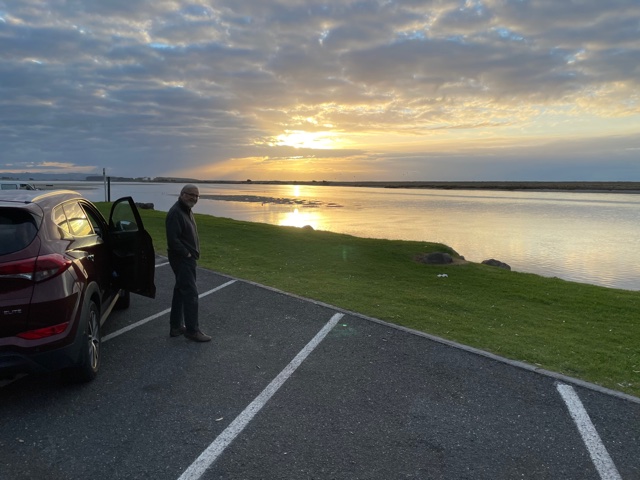
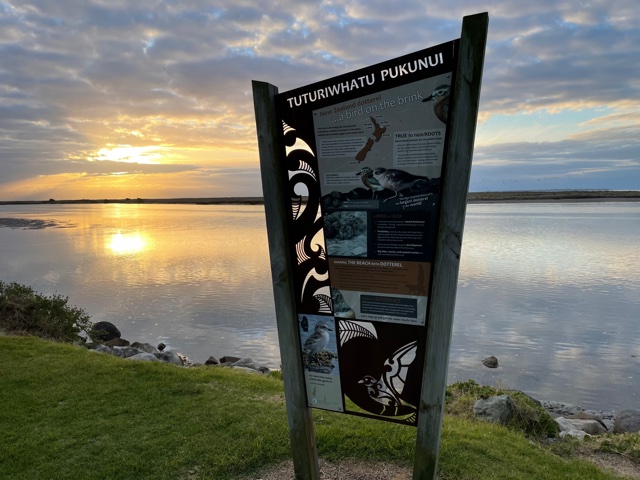
Maybe it was the sublime sunset and blissful stillness, the rolling green hills, simple holiday seaside vibe, or the sweeping clifftop views back towards Tauranga … in reality it was probably “D”, all of the above
So, special thanks to David and Susan for a great night. And also, to the local Maketu Rotary Club – where David and Susan are active members – for their efforts in building the local community (Click HERE for more information)
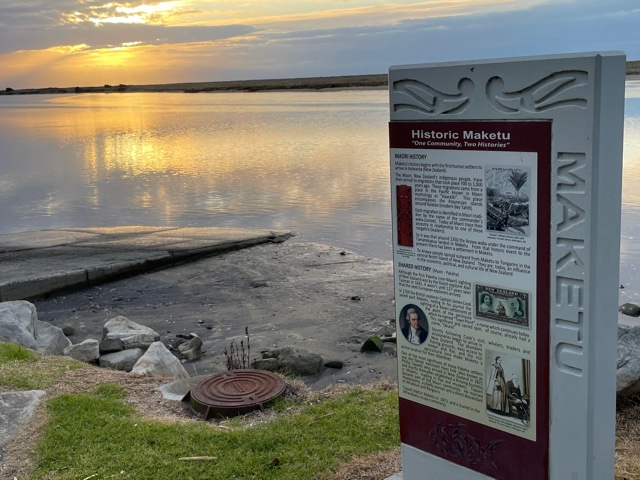
More about Maketu can be found HERE
“Headland and town 15 km north-east of Te Puke. Maketū is one of the most historic coastal landmarks in the Bay of Plenty. The Te Arawa canoe made landfall at Maketū, and a small cairn built in 1940 commemorates the event. The Ngāi Te Rangi and Te Arawa tribes contested authority over the area in the early 19th century. Te Arawa supported trader Phillip Tapsell, who lived there in the 1830s. From fortified positions Te Arawa and British forces repelled war parties from the East Coast seeking to join Waikato supporters of the Māori King movement in 1864. Because it was isolated between swamps along the Kaituna and Pongakawa rivers, there was little European settlement at Maketū until much of the swampland was drained early in the 20th century.”
Having arrived at David and Susan’s home around 3:00pm, perched as it is on a cliff with 180-degree uninterrupted views of the sea – from where they saw us sail past a few days ago – there was plenty of time to receive the local tour.; from David. Which included a detailed commentary on all manner of things including some of the key Maori and European historical events that have helped form what region and community is today.
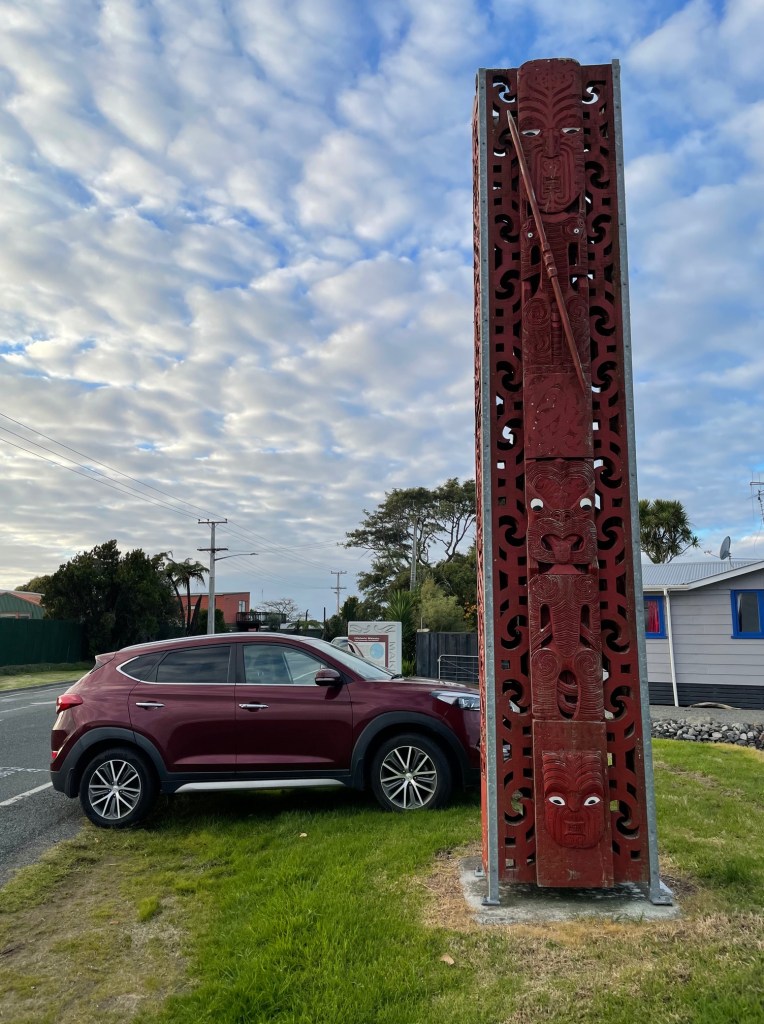
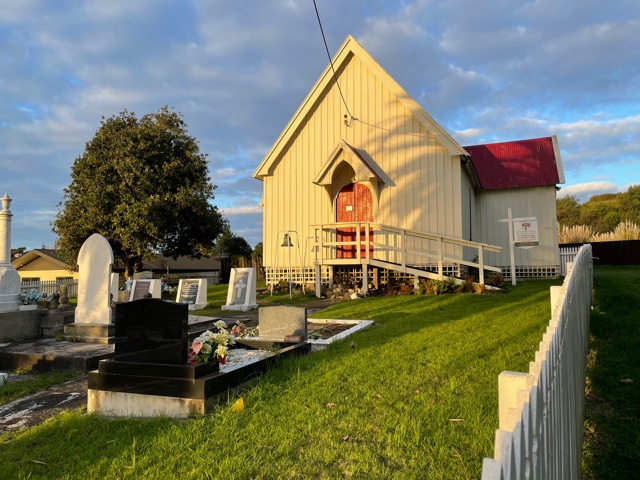
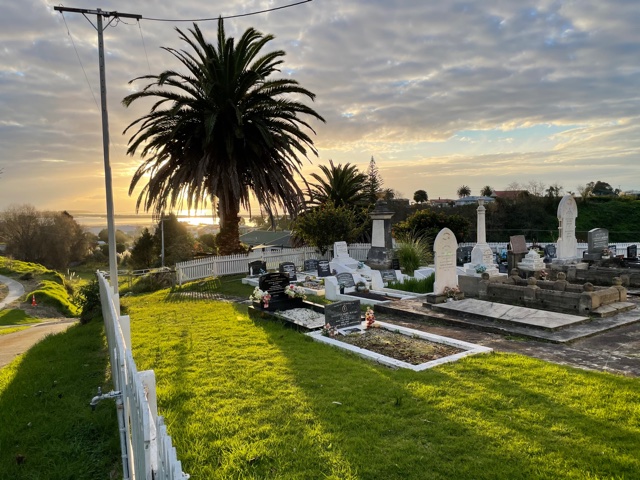
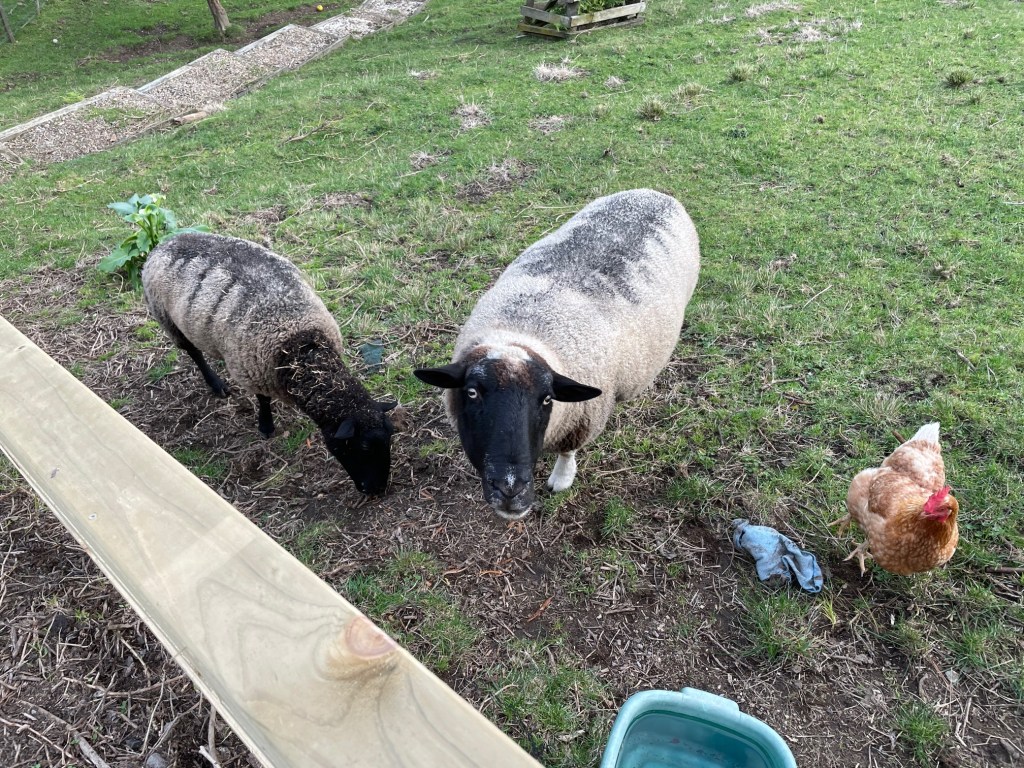
After dinner, the topic of gardens and fruit trees came up in the conversation, in particular how avocados grow so well here. And I commented that possums were a bit of a nuisance in our garden at home – ringtails and brushies. Well, it seems possums are beyond a problem here and with no “NATIVE animal protection status”, they were declared a PEST as far back as the 1940s.
And when I say pest … all manner of strategies have, and are, adopted for their destruction, including trapping, poisoning and shooting. David commented that … “a while back I set a possum trap on 20 consecutive days and caught 19 possums…”
I should clarify for Australian readers, who might think that these traps are a bit like calling “Peter the Possum Man” to evict a nuisance possum from your roof.
And for New Zealand readers, if you want a seriously good belly-laugh, then wildlife legislation in the state of Victoria says:
It is illegal to trap possums and release them away from your property. Possums are highly territorial so relocating them elsewhere will only result in the released animal being attacked by possums already in the area. This method is considered inhumane. Possums are protected under the Wildlife Act 1975. … The trapping of common brushtail possums living in buildings is permitted for the purpose of releasing them on … Breaching any of these regulations carries a penalty of up to $7,773
No, New Zealand possum traps are a bit like … mouse traps … only much, much, much bigger
Continuing on the theme of possums, a few more “Fun Facts” from Kiwiland …
“Possum numbers reached their highest point in the 1980s when there were 50—70 million possums in New Zealand. Once possum populations got very high, trappers began to make a good living from hunting them. Throughout the 1970s prices for possum skins were good. In 1981, the best year for trappers, 3.2 million skins were exported.
Trapping, poisoning and shooting has now reduced the possum population. But there are still about 30 million possums in New Zealand today.
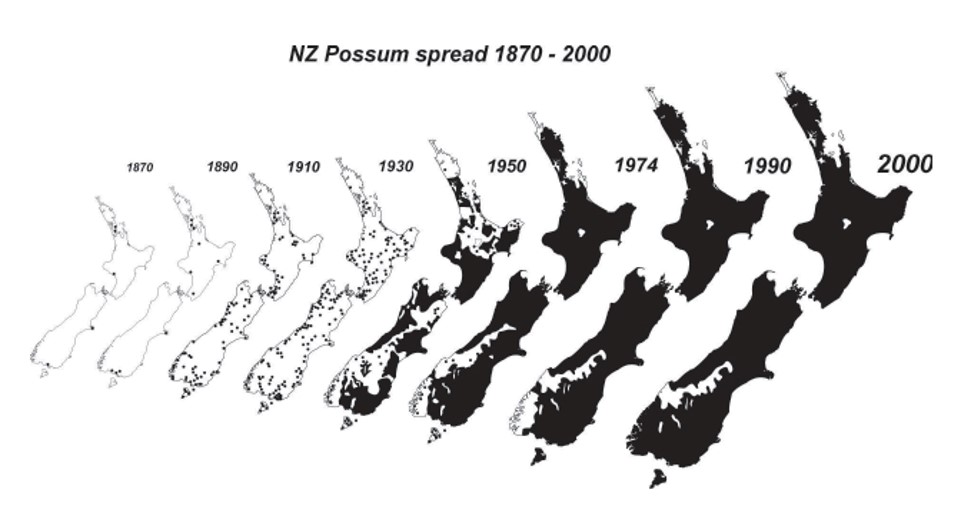
The damage done by possums costs NZ farmers about $35 million every year. The New Zealand Government spends over $110 million* per year on possum control.” More Possum facts HERE
And just when you thought there was no more to say on the topic, for more than 20 years the local Te Ranga Primary School has held an annual Pig and Possum Hunt. You read that correctly … a Pig and Possum Hunt … as a fund raiser.
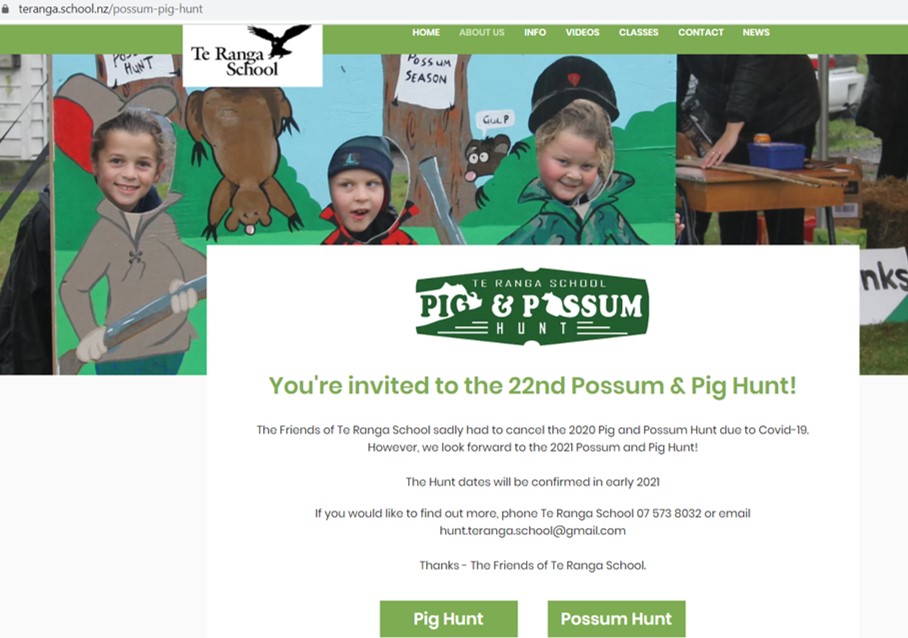
Last year it was cancelled due to COVID19, so all being well, this year is looking like a bumper year. And as David mentioned tonight, it’s not unusual for the local newspaper to report on the annual event with the headline … “Te Ranga School Possum Hunt was a success this year with over 2,800 possums being caught” (by “caught”, I mean killed)
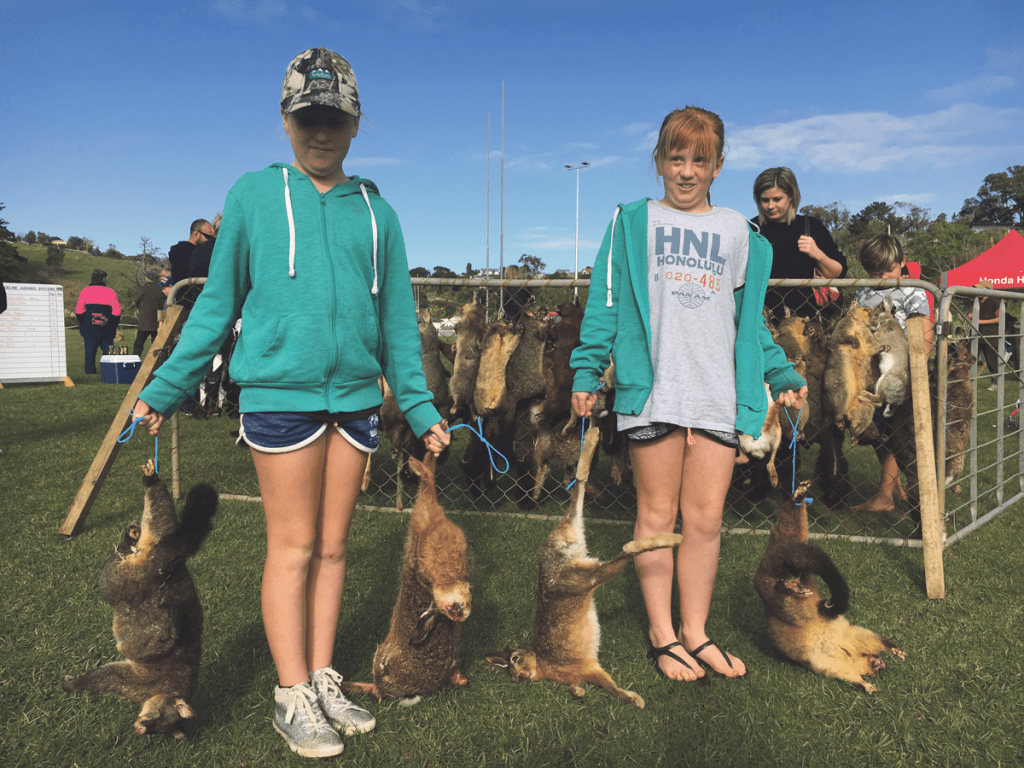
You’ve got to check it out HERE … classic stuff, but to give you a taste, here are just a few of the 24 published rules of the competition…
– The duration of the hunt shall be from Midday Thursday 20th June 2019 till 9:30am Sunday 23rd June 2019 . Please hunt during this period only .
– Possum counting will begin at 9:00 am at the Te Ranga Hall on Sunday 23rd June 2019.
– All possums must be dead. This includes ‘joeys’ .
– Possums may be shot, trapped or poisoned. If poisoning – please notify the organizers prior to Thursday 20th June 2019.
– The Team Leader must hold a current Firearms Licence if team is shooting or a Poisons Licence if team is poisoning.
– All firearms regulations must be obeyed by those shooting possums. IDENTIFY YOUR TARGET.
– Neither road kills nor frozen possums will be accepted .
– Mangled or badly disfigured possums will not be accepted as they may be upsetting to the public.
– Only possums bodies in good condition will be accepted.
– All possums entered in the competition become the property of Friends of Te Ranga School as they may be skinned or plucked for fundraising.
– The judge’s decision is final.
– Neither Te Ranga School nor the organizers can be held responsible for the actions of anyone involved, especially with regard to personal safety. Every care should be taken by the contestants. Participants enter at their own risk .
– Pre-select the Heaviest Possum and the Best Fur Possum prior to arriving at weigh-in. Tags will be provided for these at the gate on the day.
If you’re like me, and tears of laughter and incredulity are running down your cheeks right now on reading the above, then I’ve got to say that there’s no truth to the rumour that if New Zealand won the right to hold the Olympics that Possum Hunting would be introduced as an official sport. Like Rugby Union, it wouldn’t be fair to the other nations.
In other news, I dropped John at the bus station this afternoon. Our relatively short trip up from Wellington has allowed him plenty of time to attend his 50-year school reunion in Whangarei; which is a three day event starting tomorrow afternoon. Rest assured, John will be back next Tuesday, as we prepare for the next leg up to the Bay of Islands.
On the topic of getting my small IridiumGO! Satellite communications unit repaired, I dropped it off at an electronics repair business in Tauranga this morning. The manager seemed confident he can put it back together again, however, there’s every chance the small “mini” socket might have to be replaced. And naturally it’s not a standard, off the shelf part – possibly requiring a new bit to be sent from overseas; normally resulting in long delays. So, it’s still a work in progress.
With the latest COVID 19 lockdown in Melbourne, it’s amazing just how up-to-date Kiwis are with Aussie news! So much so, that from now on I might do more of the New Zealand accent – blend in a bit more – or at the very least say I’m from Sydney, Brisbane, Perth or Alice Springs … anywhere but Melbourne. Don’t want to scare the horses?!
Smooth seas, fair breeze and paradise found
Rob Latimer
 NZ2020
One thought on “Paradise Found”